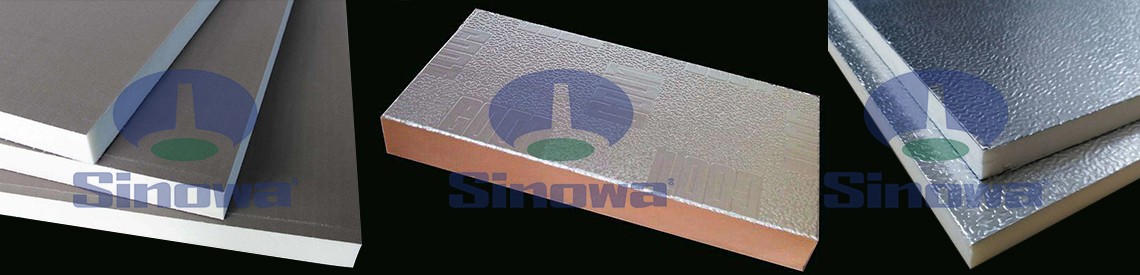
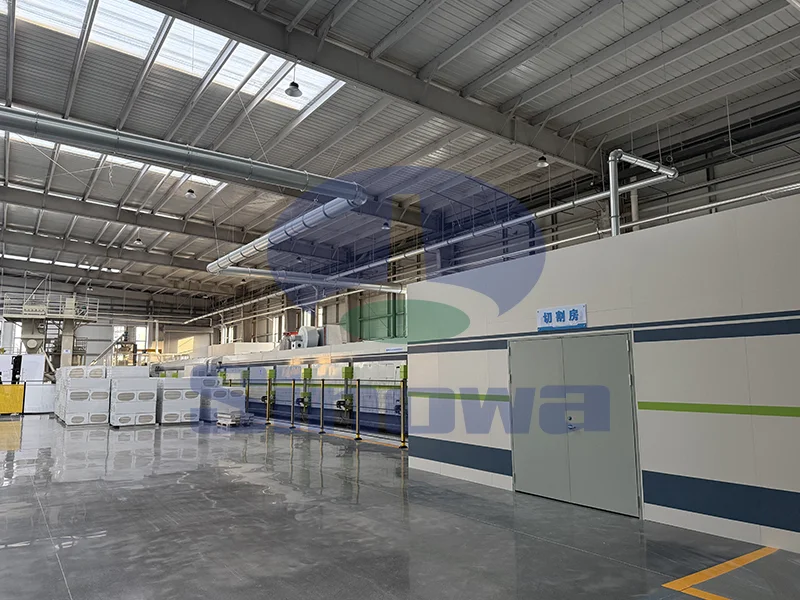
Continuous Insulation Panel Production Line of the PU and phenolic aldehyde surface has diversified and multifunctional production characteristics, which may produce products with different specifications such as PU, PF, PIR, etc.
The surface material may be aluminum foil, colored steel, cement base cloth, kraft paper, non-woven fabrics, etc.
The products are widely applied to such occasions as construction, decoration, pipeline ventilation, subway construction, etc.
The Phenolic Panel Production Line of soft layer insulation board is able to continuously and efficiently produce high-quality PU and Phenolic insulation boards.
We spare no efforts to improve our product quality and technological reliability by employing the most cutting-edge and the most reliable support and processes to make our products highly reliable and endurable. As a result, the production line of our soft layer insulation panels is highlighted by many perfect qualities. It is the core idea in Sinowa's product roadmap to surpass our competitors in terms of design philosophy, manufacture methods and service level, going for excellence and leading position and making constant improvement on our products and services, which is also our core value system to create efficiency and convenience for our customers.
Well-grounded on our solid strength as a renowned large-scale enterprise, Sinowa has a high starting point in developing industrial assembly lines.
Based on the advanced science and technology introduced from within and without the country and supported by a great number of first-grade parts and components from the home and aboard, these assembly lines have a high-level configuration of supporting products in terms of machinery, electrical control, hydraulic pressure, automatic measurement and tracking, and so on.
This is a strong proof of our product’s reliable quality and high efficiency.
The first-class appearance design and excellent energy saving measures make it unnecessary for customers to additionally construct the heat preservation and isolation room for production around the clock throughout the year, so that the customers may save lots of resources and costs.
Modularized standard design and important parts machined with CNC machine tool make the production line have excellent quality assurance. Dependence on the man-made factors is eliminated. The operation is precision, with the highest operation speed of 30m/min. The Phenolic Insulation Panel Production Line has the world-class production efficiency.
The high performance and reliable multicomponent cyclopentane foaming technology and equipment of Sinowa may be also applied to the foaming process of the phenolic aldehyde board. Therefore, our customers may not only freely adjust the foaming matching according to the raw material, but also save lots of costs. Moreover, they are of significance for environmental protection.
Sinowa's industrial production line of insulation panels is distinguished by its impressive performance of energy conservation. In each high point of energy consumption throughout the entire production line are implemented corresponding measures to considerably lower the consumption level.
For example, the body of the lamination belt conveyer is covered with insulation panels in very reasonable structures, which doesn’t blemish the overall outlook but greatly increases the insulation performance.
The entire assembly line is constantly optimized and improved so that the consumption of each power source is significantly reduced. The motor power of our lamination conveying system is only 3.0 kw, about 50% less than those of the same kind.
All in all, the energy consumption of the whole industrial assembly line equals 40% or even less of the equivalent lines in the market.
The industrial pu insulated panel production line of Sinowa adopts the most advanced concepts in the world to realize the modularized design with all the parts bolted together rather than welded.
In standardized production, the parts can be dismantled and exchanged, so the production cycle is drastically shortened and the maintenance becomes by far easier.
Through finite element analysis, the equipment design is greatly optimized to realize modularization, digitization, and weight-minimalization.
| PRODUCTION TYPE | PU | PIR | PHENOLIC | |||
|---|---|---|---|---|---|---|
| PRODUCTION USE | INSULATION PANEL | DOCORATIVE PANEL | ||||
| SURFACE OF SHEET | ALUMINUM FOIL | NON-WOVEN FABRIC | PAPER | NAKED | ||
| PRODUCT THICKNESS | 10m--- 200mm | |||||
| PRODUCTION SPEED | 3.0m---25m |
|---|---|
| FOAMING METHOD | TWO OR MULTI COMPONENTS FOAMING |
| FOAMING AGENT | PENTANE OR 141B |
| LENGTH OF LINE | 45m—100m CUSTOMER OPTIONAL |
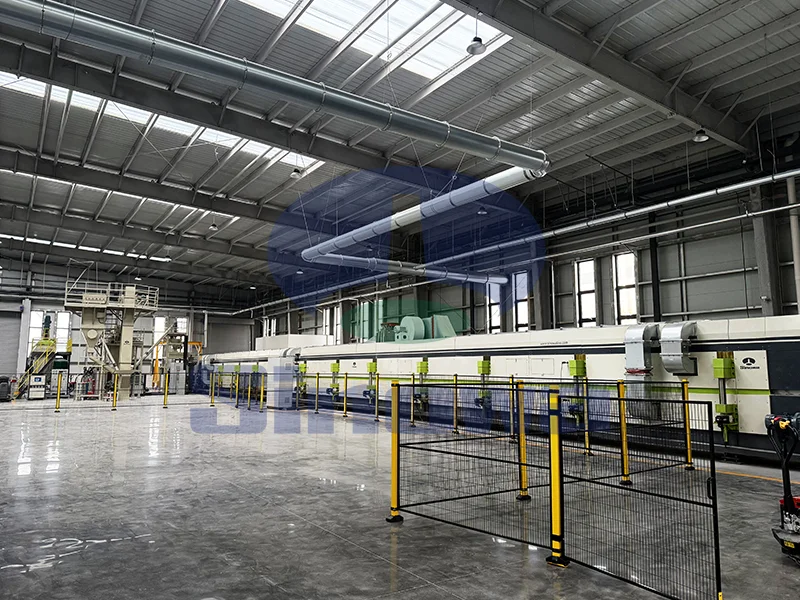
The global demand for high-performance thermal insulation materials has surged in tandem with the global push for energy efficiency, sustainable construction, and low-carbon industrial operations, driving the evolution of advanced manufacturing equipment for insulation products. Among the most critical pieces of industrial machinery in this sector are the continuous PU (polyurethane) insulation board production line and the continuous PF insulation board production line, two specialized automated systems designed to produce rigid foam insulation panels with distinct performance profiles and application scenarios. Unlike batch production methods that rely on manual handling, intermittent processing, and limited output, these continuous production lines integrate a full spectrum of manufacturing processes into a single, synchronized workflow, delivering consistent quality, high production efficiency, and customizable product specifications to meet the diverse needs of construction, refrigeration, industrial insulation, and HVAC industries.
To begin with the structural framework of continuous PU insulation board production lines, these systems are engineered as modular, fully automated production units that streamline the entire manufacturing process from raw material preparation to finished board cutting, stacking, and packaging. The core structure of a continuous PU insulation board production line is divided into several interconnected functional modules, each designed to perform a specific task with precision and synchronization, ensuring uninterrupted production flow and minimal material waste. The first key module is the raw material handling and preparation unit, which stores and processes the primary chemical components of polyurethane foam: polyol and isocyanate, along with auxiliary additives such as blowing agents, catalysts, flame retardants, and cross-linking agents. This module is equipped with precision metering pumps, temperature control systems, and stirring devices to maintain consistent raw material ratios and viscosity, as even minor deviations in chemical composition can significantly impact the foam structure and thermal performance of the final product. Following the raw material preparation stage is the face material feeding and positioning module, which accommodates a wide range of facing materials including aluminum foil, color-coated steel sheets, kraft paper, non-woven fabric, cement-based cloth, and fiberglass mesh. This module uses pneumatic suction cups, conveyor rollers, and precision alignment mechanisms to feed upper and lower face materials smoothly into the production line, ensuring perfect parallelism and stable positioning to prevent misalignment during the foaming and lamination process.
The heart of the continuous PU insulation board production line is the foaming and laminating module, where the chemical reaction of polyurethane raw materials occurs rapidly to form closed-cell rigid foam that bonds tightly with the upper and lower face materials. This module consists of a high-pressure mixing head, a continuous laminating conveyor belt, and a temperature-controlled curing chamber. The high-pressure mixing head injects the uniformly mixed polyol and isocyanate mixture precisely between the two layers of face material, with the mixing speed and injection volume fully adjustable to control foam density, thickness, and cell structure. The laminating conveyor belt, equipped with adjustable spacing rollers, moves the composite material forward at a constant speed while applying uniform pressure to ensure the foam expands evenly and adheres firmly to the face materials without voids or delamination. The temperature-controlled curing chamber that follows maintains a stable thermal environment to accelerate the cross-linking reaction of the polyurethane foam, allowing it to solidify completely and develop its full mechanical strength and insulation properties within a short period. After curing, the semi-finished board enters the precision cutting and trimming module, which uses high-speed circular saws or CNC cutting systems to cut the continuous board into fixed lengths, widths, and custom shapes according to customer requirements, with edge trimming to ensure smooth, uniform edges and precise dimensional tolerances. The final module is the stacking and packaging unit, which automatically stacks the finished insulation boards and wraps them for storage and transportation, reducing manual labor and preventing damage during handling.

In contrast, the continuous phenolic insulation board production line shares a similar modular structural layout with the PU line but incorporates specialized design modifications to accommodate the unique chemical properties and curing requirements of phenolic foam materials. Phenolic resin, the base material of phenolic insulation boards, has distinct processing characteristics compared to polyurethane, including higher curing temperature requirements, slower reaction speed, and greater sensitivity to processing parameters, which demand targeted adjustments in the production line’s structural design. The raw material handling module of the phenolic production line is optimized for phenolic resin, curing agents, toughening agents, and flame retardant additives, with enhanced temperature control systems to prevent premature curing of the resin before injection. The mixing system features slower, more uniform stirring mechanisms to avoid air bubbles and ensure the resin mixture maintains optimal fluidity for uniform foaming. The foaming and laminating module of the phenolic line includes a longer, more precisely temperature-regulated curing zone, as phenolic foam requires a gradual, controlled heating process to form a dense, cross-linked closed-cell structure without cracking or brittleness. Additionally, the phenolic production line is equipped with a specialized surface treatment unit to improve the bonding strength between the phenolic foam core and face materials, as phenolic resin has lower natural adhesion compared to polyurethane, and this unit ensures long-term structural integrity of the composite board. The cutting module of the phenolic line also uses reinforced cutting tools to handle the higher rigidity and density of cured phenolic boards, minimizing edge chipping and ensuring dimensional accuracy.
Beyond the core structural modules, both production lines feature advanced electrical control and automation systems that serve as the central nervous system of the entire operation, enabling fully automated, unmanned production with real-time monitoring and parameter adjustment. These control systems integrate PLC (Programmable Logic Controller) technology, touch-screen human-machine interfaces, and sensor networks to track and regulate critical processing parameters such as raw material flow rate, mixing temperature, conveyor speed, curing temperature, foam thickness, and cutting dimensions. Operators can set and adjust production parameters through the touch screen, with the system storing multiple production recipes for different product specifications, allowing quick switching between product types without extensive reconfiguration. Real-time sensors monitor the entire production process, detecting abnormalities such as raw material shortages, temperature fluctuations, or mechanical faults and issuing automatic alerts to prevent defective product output and equipment damage. The automation level of these continuous lines significantly reduces labor costs, improves production consistency, and eliminates the variability associated with manual operation, making them ideal for large-scale, high-volume production of standardized insulation boards.
Performance is a defining factor that differentiates continuous PU and phenolic insulation panel production lines, as well as the products they manufacture, with each line optimized to bring out the unique inherent properties of its respective foam material. Starting with the performance characteristics of the continuous PU insulation board production line, the primary advantage lies in its ability to produce polyurethane insulation boards with exceptional thermal insulation efficiency, lightweight properties, and excellent mechanical flexibility. Polyurethane foam has an extremely low thermal conductivity coefficient, typically ranging from 0.022 to 0.024 W/(m·K), making it one of the most efficient thermal insulation materials available, and the continuous production line ensures this thermal performance is consistent across every panel by maintaining uniform cell structure and density throughout the foaming process. The closed-cell structure of PU foam produced by the continuous line is dense and uniform, with minimal open cells, which enhances not only thermal insulation but also moisture resistance and water repellency, preventing water absorption that can degrade insulation performance over time. Mechanically, PU insulation boards produced by the continuous line offer a balanced combination of compressive strength, flexural strength, and impact resistance, with adjustable density (ranging from 30 kg/m³ to 80 kg/m³) to suit different load-bearing requirements. The production line also delivers high operational efficiency, with a continuous production speed that far exceeds batch production methods, enabling large output volumes to meet high market demand. Additionally, the PU line is highly versatile, capable of producing boards of varying thicknesses (from 20mm to 200mm) and with different face materials, making it adaptable to a wide range of application scenarios.

The performance of the continuous phenolic insulation panel production line is centered on unlocking the exceptional fire resistance, thermal stability, and low smoke emission properties of phenolic foam, which are unmatched by most other organic insulation materials. Phenolic insulation boards manufactured by the continuous line are inherently flame-retardant, with a high ignition temperature and low heat release rate; when exposed to open flames, they do not melt, drip, or produce large amounts of toxic smoke, and they form a charred protective layer that prevents flame spread and maintains structural integrity for an extended period. This fire performance is carefully preserved by the production line’s controlled curing and foaming process, which avoids compromising the resin’s cross-linked structure and flame-retardant properties. Thermally, phenolic foam has excellent high-temperature stability, with a thermal decomposition temperature exceeding 350°C, meaning it retains its insulation and mechanical properties even in high-temperature environments, unlike PU foam which may degrade at lower temperatures. The continuous phenolic production line ensures the foam’s closed-cell structure is tightly packed, delivering reliable thermal insulation with a thermal conductivity coefficient of around 0.025 to 0.028 W/(m·K), slightly higher than PU but still superior to many traditional insulation materials. Mechanically, phenolic boards produced by the continuous line have high compressive strength and rigidity, making them suitable for applications requiring strong load-bearing capacity and dimensional stability. The production line also ensures low formaldehyde emission and environmental friendliness, as the controlled processing minimizes volatile organic compound (VOC) release, aligning with modern green building and environmental protection standards.
Another key performance distinction between the two production lines is their processing adaptability and material compatibility. The continuous PU production line is compatible with a broader range of blowing agents, including environmentally friendly pentane-based blowing agents that replace ozone-depleting substances, and it can quickly adjust to produce modified PU foams such as PIR (polyisocyanurate) foam, which offers enhanced fire resistance compared to standard PU foam. This adaptability allows manufacturers to expand their product portfolio without investing in additional production equipment. The continuous phenolic production line, while more specialized, is optimized to produce phenolic boards with varying densities and toughness levels; by adjusting additive ratios and processing parameters, the line can produce standard rigid phenolic boards for static insulation applications and toughened phenolic boards for applications requiring higher impact resistance. Both lines are designed with energy efficiency in mind, with insulated curing chambers, high-efficiency motors, and optimized conveyor systems that reduce power consumption compared to older generation production equipment, lowering the overall manufacturing carbon footprint and operational costs for producers.
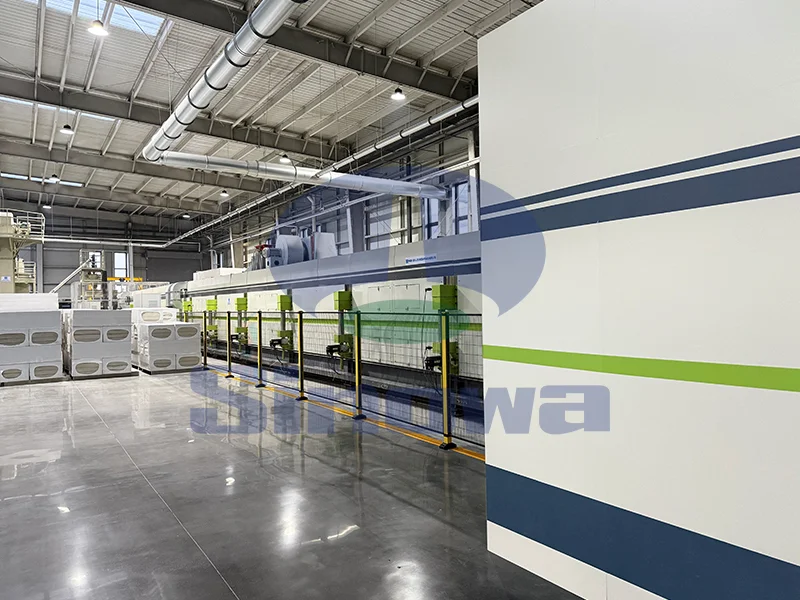
Moving to the classification of products manufactured by these two continuous production lines, the insulation boards are categorized based on multiple criteria including core material type, face material, density, thickness, application purpose, and structural design, with each category tailored to specific performance and usage needs. For products from the continuous PU insulation board production line, the primary classification is based on face material, as the facing directly impacts the board’s durability, weather resistance, and installation method. The most common types include aluminum foil-faced PU insulation boards, which are lightweight, moisture-proof, and reflective, ideal for internal insulation and HVAC ductwork; color steel-faced PU sandwich panels, which offer high structural strength, weather resistance, and aesthetic appeal, suitable for external building walls and roofing; kraft paper or non-woven fabric-faced PU boards, which are cost-effective and easy to install for internal wall and ceiling insulation; and cement-based cloth-faced PU boards, which provide fire resistance and compatibility with building plastering for integrated construction applications. PU boards are also classified by foam type: standard polyurethane foam boards for general insulation purposes and PIR foam boards, which are produced by adjusting the raw material ratio in the production line to enhance cross-linking and fire resistance, making them suitable for high-safety applications such as cold storage and industrial facilities. Additionally, PU boards are classified by density: low-density boards for lightweight, non-load-bearing insulation, medium-density boards for general construction, and high-density boards for load-bearing industrial applications.
Products from the continuous phenolic insulation board production machine are classified using similar criteria but with a focus on fire performance and application-specific toughness. The primary classification is also based on face material, with aluminum foil-faced phenolic boards being the most common, offering excellent moisture resistance and thermal reflection for HVAC and refrigeration insulation; color steel-faced phenolic sandwich panels, which combine fire resistance and structural strength for high-safety building exteriors and industrial partitions; fiberglass mesh-reinforced phenolic boards, which enhance mechanical strength and prevent cracking for external wall insulation systems; and plain phenolic boards (without face material) for embedded insulation applications where direct contact with building materials is required. Phenolic boards are further classified by fire performance grade, with standard fire-resistant boards for general commercial buildings and enhanced fire-resistant boards for high-risk public venues such as subways, hospitals, and shopping malls. They are also categorized by toughness: standard rigid phenolic boards for static insulation and flexible toughened phenolic boards, produced via specialized processing in the continuous line, for applications requiring minor bending and impact resistance, such as curved pipeline insulation and prefabricated modular components. Both PU and phenolic boards are available in standard rectangular sizes and custom-cut shapes, including tongue-and-groove edge profiles for seamless installation, which is produced by specialized cutting modules in the continuous production lines to improve airtightness and thermal efficiency of assembled insulation systems.
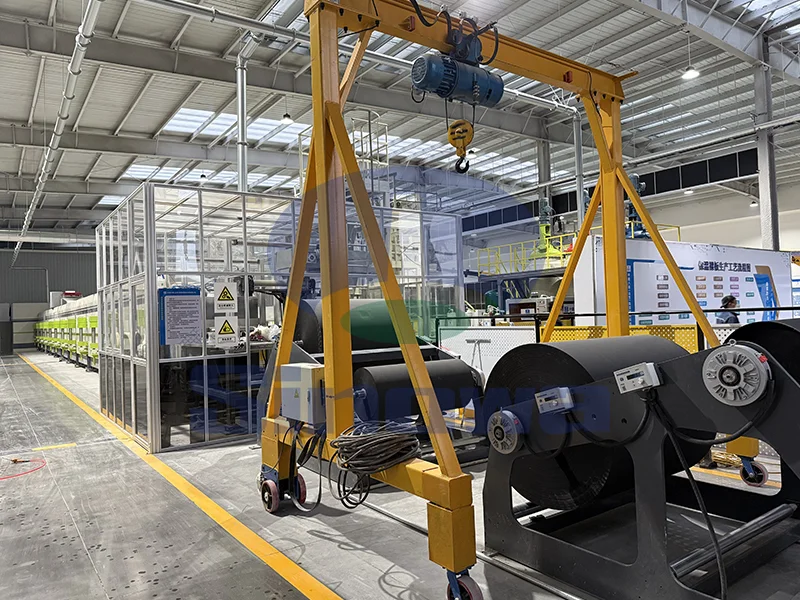
The wide-ranging applications of products from continuous PU and phenolic insulation board production machines span nearly every sector that requires thermal insulation, energy conservation, fire protection, and structural lightweighting, with each material dominating specific niches based on its unique performance advantages. Continuous PU insulation boards are most prominently used in the construction industry, where they are widely applied in residential, commercial, and industrial building external wall insulation, roofing insulation, floor insulation, and internal partition walls. Their exceptional thermal insulation properties significantly reduce heating and cooling energy consumption in buildings, helping to meet strict energy efficiency codes and reduce carbon emissions. In the cold storage and refrigeration industry, PU boards are the material of choice for cold storage warehouses, refrigerated trucks, refrigerated containers, and commercial refrigeration equipment, as their low thermal conductivity maintains stable low temperatures and minimizes energy loss for refrigeration systems, even in extreme temperature environments ranging from -50°C to 100°C. The lightweight nature of PU boards also reduces the structural load of buildings and cold storage facilities, lowering foundation and structural construction costs. Additionally, PU insulation boards are extensively used in HVAC ductwork, pipeline insulation, and prefabricated modular buildings, where their easy installation, lightweight properties, and reliable insulation performance streamline construction and reduce project timelines.
Beyond construction and refrigeration, PU insulation boards from continuous production lines are used in the automotive and transportation industries for interior insulation and soundproofing of vehicles, in the agricultural sector for greenhouse insulation to maintain stable growing temperatures, and in the marine industry for ship insulation, where their moisture resistance and thermal efficiency are critical. The versatility of the continuous PU production line allows for the production of specialized boards for clean room environments in pharmaceutical, electronics, and food processing industries, where the smooth, non-porous surface of aluminum foil-faced PU boards prevents dust accumulation and ensures easy cleaning, maintaining hygienic and temperature-controlled clean room conditions. The high production efficiency of the continuous PU line ensures a steady supply of these boards to meet the massive demand across these diverse industries, making it a cornerstone of global thermal insulation material manufacturing.
Continuous phenolic insulation boards, on the other hand, are primarily favored in applications where fire safety and high-temperature stability are non-negotiable, making them indispensable in public infrastructure, high-rise buildings, and industrial high-temperature environments. In the construction industry, phenolic boards are widely specified for external wall insulation systems of high-rise residential buildings, commercial skyscrapers, hospitals, schools, and public transportation hubs such as subways and airports, where strict fire codes mandate flame-retardant, low-smoke insulation materials that prevent the spread of fires and ensure occupant safety. Unlike some organic insulation materials that pose fire risks, phenolic boards comply with stringent fire safety standards without the need for excessive additional flame retardant treatments, making them a reliable choice for life-safety critical applications. In industrial settings, phenolic boards are used for high-temperature pipeline insulation, furnace insulation, and industrial facility partition walls, as their ability to withstand high temperatures without performance degradation makes them suitable for environments where PU foam would lose its structural and insulation integrity. They are also used in HVAC ductwork for commercial and public buildings, offering a balance of thermal insulation and fire resistance that enhances the safety of ventilation systems.
Additional applications of phenolic insulation boards include ship and offshore platform insulation, where fire safety and moisture resistance are paramount; tunnel and subway insulation, where low smoke emission and flame resistance are critical to passenger safety in enclosed spaces; and electrical equipment insulation, where their thermal stability and non-conductive properties protect electrical components from heat damage and fire risks. Phenolic boards are also used in renewable energy infrastructure, such as insulation for solar energy storage systems and wind turbine components, where their durable, long-lasting performance reduces maintenance needs and extends the service life of equipment. While phenolic boards have a slightly higher thermal conductivity than PU boards, their unrivaled fire performance and high-temperature stability make them irreplaceable in applications where safety takes priority over marginal insulation efficiency gains, and the continuous phenolic production line ensures these specialized boards are produced consistently and cost-effectively to meet industry demand.
When comparing the two production lines and their end products, it is clear that they complement each other in the insulation material market rather than competing directly, as each serves distinct market segments based on performance priorities. Continuous Polyurethane insulation panel production machines excel in producing high-efficiency thermal insulation materials for general construction, refrigeration, and lightweight applications, where energy efficiency, cost-effectiveness, and versatility are the primary considerations. Continuous phenolic insulation board production lines specialize in manufacturing fire-resistant, high-temperature-stable insulation materials for safety-critical and high-heat applications, where fire protection and long-term durability are non-negotiable. Manufacturers often invest in both types of production lines to offer a comprehensive product portfolio, catering to the full spectrum of customer needs in the global insulation market.
Looking ahead, the development of continuous PU and phenolic insulation board production lines is focused on further technological advancements to enhance performance, efficiency, and environmental sustainability. Future iterations of these production lines will integrate more advanced digital control systems, including artificial intelligence (AI) and Internet of Things (IoT) technology, for real-time process optimization, predictive maintenance, and remote monitoring, reducing downtime and improving product consistency even further. There will also be a greater emphasis on environmentally friendly processing, with the adoption of zero-VOC raw materials, recycled face materials, and energy-efficient processing technologies to align with global carbon neutrality goals. For PU production lines, research will focus on enhancing the fire resistance of standard PU foam without compromising insulation efficiency, while phenolic production lines will be optimized to produce more flexible, tougher phenolic boards with improved installation ease and reduced brittleness. Additionally, both lines will be designed for greater modularity and compactness, allowing manufacturers with limited factory space to deploy high-efficiency continuous production systems.
In conclusion, continuous Polyurethane insulation board production lines and continuous pf insulation board production lines represent the pinnacle of modern insulation material manufacturing technology, each engineered to leverage the unique properties of their respective foam materials and deliver high-quality, consistent insulation products for global industries. Their sophisticated modular structures, advanced automation systems, and precise process control ensure reliable production performance, while the resulting PU and phenolic insulation boards offer distinct thermal, mechanical, and fire-resistant properties that cater to diverse application scenarios across construction, refrigeration, industrial infrastructure, public safety, and renewable energy sectors. As the world continues to prioritize energy efficiency and fire safety in building and industrial design, the demand for these advanced continuous production lines and their high-performance insulation products will only continue to grow. By combining technological innovation, operational efficiency, and environmental responsibility, these production lines will remain essential to the global effort to reduce energy consumption, lower carbon emissions, and create safer, more sustainable built and industrial environments for years to come.